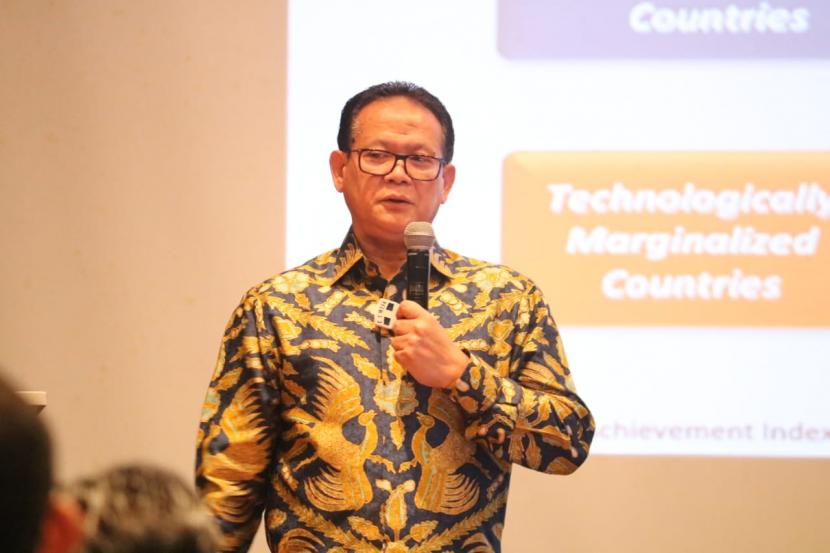
Ikhbar.com: Prof. Rokhmin Dahuri, rector of the UMMI University in Bogor, West Java, said digital transformation will determine Indonesia’s future as the country navigates technological disruption, rising geopolitical tensions and the global climate crisis.
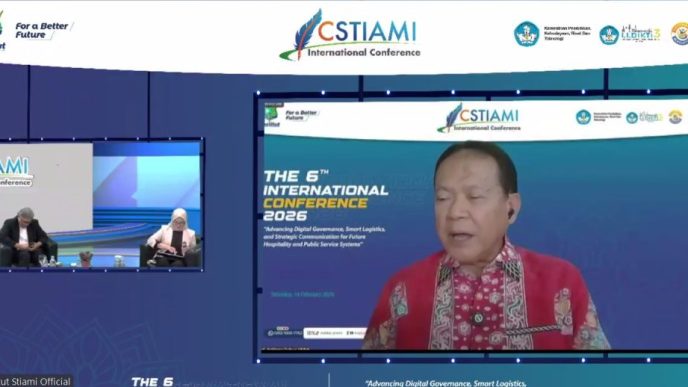
He made the remarks at an international seminar titled “Advancing Digital Governance, Smart Logistics, and Strategic Communication for Future Hospitality and Public Service Systems,” hosted by the STIAMI Institute of Social Sciences and Management in Jakarta in a hybrid format on Saturday.
[Indonesian Version] Prof. Rokhmin Bahas Transformasi Digital bersama Akademisi Eropa dan Asia 
The forum brought together academics from several countries, including Dr. Tasente Tanase of Ovidius University of Constanța, Romania; Prof. Kim Soo Il, emeritus professor at Busan University of Foreign Studies in South Korea; and Prof. Ilham Sentosa, senior lecturer at Universiti Kuala Lumpur (UniKL). Rokhmin positioned digital governance as a cornerstone of public service reform.
He linked the agenda directly to Indonesia’s long-term development vision known as “Golden Indonesia 2045,” which marks the centenary of the country’s independence.
“We live in an era defined by unprecedented disruption driven by rapid technological advances, escalating geopolitical tensions and global climate change. Digital transformation is no longer optional; it is fundamental,” said Rokhmin, who is also a member of Commission IV of the House of Representatives (DPR), which oversees agriculture, maritime affairs and food.
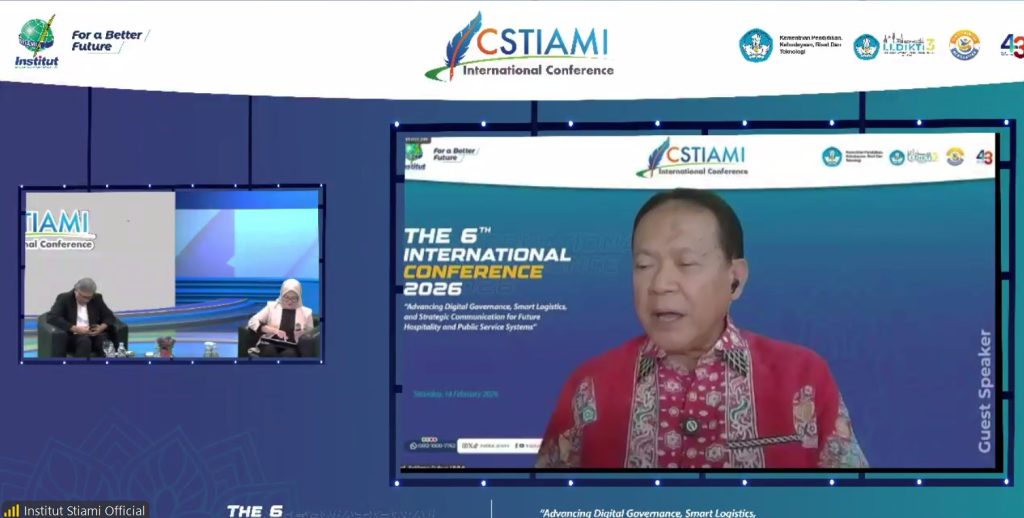
He said countries capable of orchestrating digital governance, smart logistics systems and credible strategic communication would lead the global landscape, while those slow to adapt risk falling behind.
For Indonesia, the transformation is tied to its 2045 centennial targets. Rokhmin described Golden Indonesia 2045 as a milestone to strengthen the economy, improve public welfare, uphold social justice, advance technological leadership and safeguard environmental sustainability. Economic growth, he added, must be accompanied by systemic reform.
“For Indonesia, this transformation is inseparable from our long-term national vision of Golden Indonesia 2045, marking one hundred years of independence characterized by economic strength, public prosperity, social justice, technological leadership and ecological sustainability,” he said.
Rokhmin, who served as minister of marine affairs and fisheries from 2001 to 2004, stressed the need to overhaul state institutions. Digital government, he said, requires an integrated data ecosystem, robust cybersecurity, adaptive regulation and skilled human resources.
In the global context, he underscored cross-border and cross-sector collaboration. Challenges such as climate change, food security, technological disruption and geopolitical uncertainty are too complex to address in isolation.
Read: Ramadan in Bangladesh, a ‘Springtime’ of Culinary Riches and Traditions
“The future demands collaborative governance, where governments, academia, industry, media and civil society operate within a shared strategic framework,” he said.
Rokhmin also encouraged public-private partnerships to accelerate innovation and ensure that communities remain at the center of development. Integrated solutions, he said, must replace siloed approaches.
He cautioned that modernization must not compromise sustainability.
“Development that depletes natural resources and damages ecosystems is not progress; it is a deferred crisis,” he said.