
Ikhbar.com: Pesantren dinilai perlu memperkuat perannya sebagai produsen informasi dan narasi di ruang publik agar tidak terus menjadi objek pemberitaan yang dibentuk dari sudut pandang pihak lain. Dengan lebih dari 39.000 pesantren dan sekitar lima juta santri di seluruh Indonesia, lembaga pendidikan Islam memiliki modal sosial, intelektual, dan kultural yang besar untuk membangun kedaulatan narasi di tengah derasnya arus informasi digital.
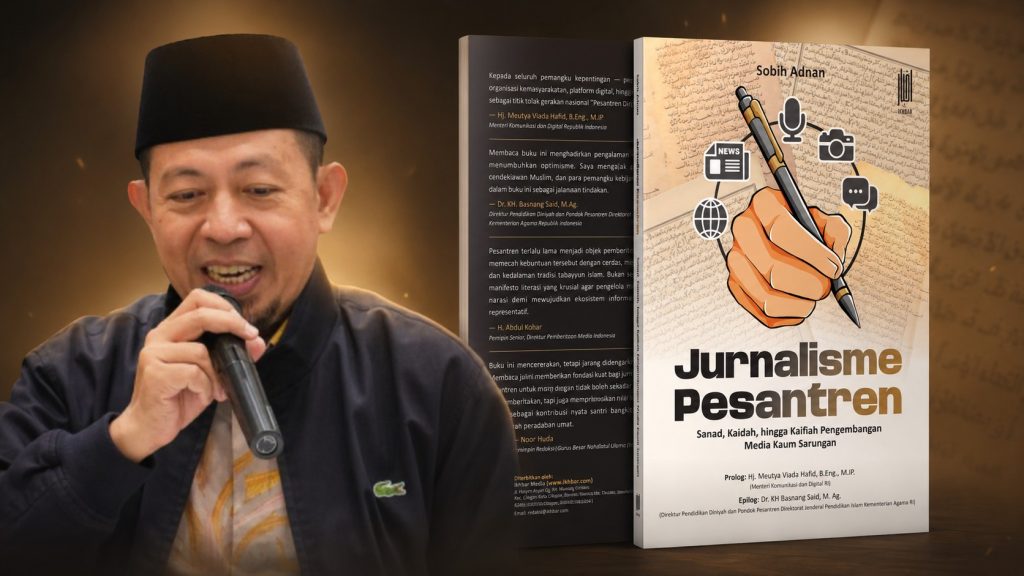
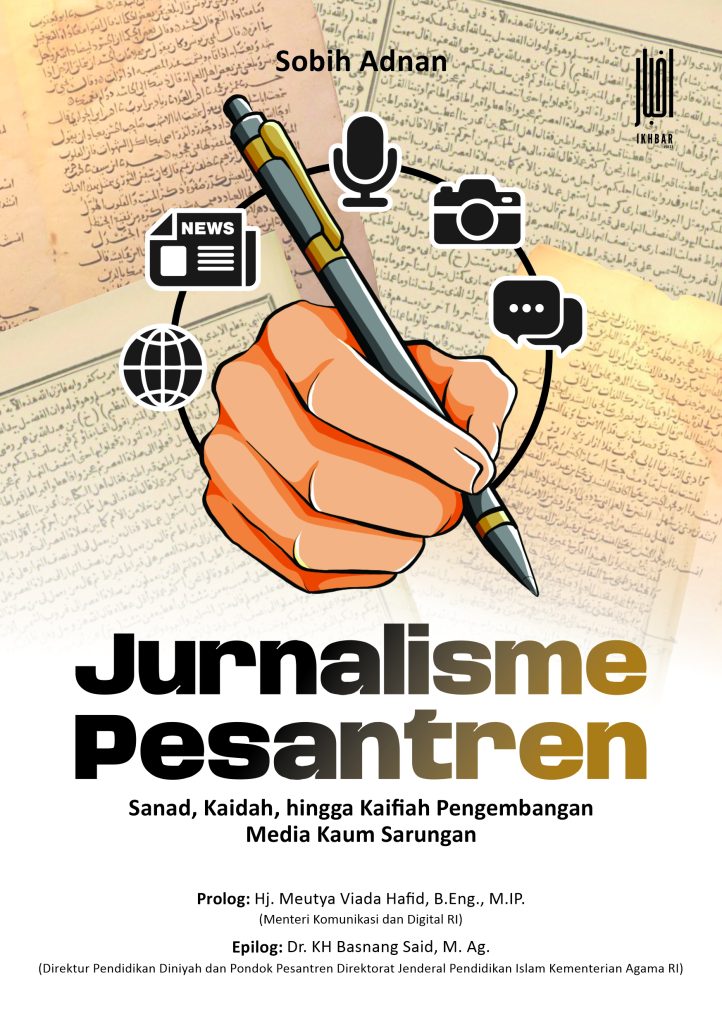
Pandangan tersebut disampaikan Direktur Pesantren Kementerian Agama (Kemenag) Republik Indonesia, Dr. KH. Basnang Said, dalam epilog buku Jurnalisme Pesantren: Sanad, Kaidah, hingga Kaifiah Pengembangan Media Kaum Sarungan karya KH Sobih Adnan.
“Kemampuan sebuah peradaban tidak hanya diukur dari daya tahannya menghadapi perubahan zaman, tetapi juga dari kemampuannya menceritakan dirinya sendiri secara utuh, jujur, dan berdaulat,” tulisnya, dikutip Kamis, 18 Juni 2026. 
Baca: Peluncuran Buku Jurnalisme Pesantren Warnai Haul dan Imtihan Ke-47 Ponpes Ketitang Cirebon
Transformasi menjadi produsen narasi
Kiai Basnang mengawali epilognya dengan menggambarkan posisi strategis pesantren dalam perjalanan sejarah Indonesia. Selama berabad-abad, pesantren menjadi benteng pendidikan Islam sekaligus pusat pembentukan nilai sosial di tengah masyarakat.
Berdasarkan data pemutakhiran Education Management Information System (EMIS) Kemenag, lebih dari 39.000 pesantren dengan sekitar lima juta santri menunjukkan besarnya potensi yang dimiliki lembaga tersebut. Besarnya jumlah itu sekaligus memunculkan pertanyaan mengenai posisi pesantren dalam ekosistem informasi.
Menurut Direktur Pesantren, representasi pesantren di media masih kerap dibentuk dari perspektif eksternal. Dalam berbagai kesempatan, pesantren dipuji secara berlebihan. Pada kesempatan lain, pesantren justru dikaitkan dengan stigma atau digeneralisasi setelah muncul suatu peristiwa. Ketika pesantren tidak aktif membangun narasinya sendiri, ruang informasi akan dipenuhi pihak lain sehingga gambaran tentang pesantren di ruang publik tidak lagi utuh.
Karena itu, Kiai Basnang menilai jurnalisme pesantren sebagai instrumen strategis untuk membangun kedaulatan narasi. Aktivitas jurnalistik juga memiliki akar kuat dalam tradisi keilmuan pesantren melalui budaya sanad yang diwariskan para ulama dari generasi ke generasi.
“Karena itu, santri yang menekuni dunia jurnalistik sesungguhnya sedang melanjutkan tradisi para ulama dalam menjaga dan menyebarkan kebenaran melalui tulisan,” katanya.
Baca: Buku Jurnalisme Pesantren Perkuat Peran Santri di Dunia Media
Tabayyun di era algoritma
Perkembangan teknologi digital menghadirkan tantangan baru yang jauh berbeda dibandingkan era media cetak. Basnang menilai ledakan informasi yang digerakkan algoritma media sosial serta perkembangan kecerdasan buatan menuntut kemampuan literasi yang semakin kuat.
Meskipun Indeks Literasi Digital Indonesia 2023 menunjukkan perkembangan yang menggembirakan, kerentanan masyarakat terhadap hoaks dan disinformasi masih menjadi persoalan serius. Informasi yang memanfaatkan sentimen keagamaan dapat menyebar dengan cepat, sedangkan algoritma platform digital sering lebih mengutamakan sensasi daripada akurasi.
Dalam kondisi tersebut, jurnalisme pesantren dinilai memiliki kekuatan karena dibangun di atas prinsip tabayyun atau verifikasi yang telah lama menjadi bagian dari tradisi keilmuan Islam. Basnang juga menilai nilai dalam Kode Etik Jurnalistik selaras dengan akhlak Islam. Praktik pemeriksaan fakta pun telah lama dikenal dalam sistem isnad dan jarh wa ta’dil.
Buku Jurnalisme Pesantren dinilai hadir pada saat yang tepat karena menjembatani tradisi keilmuan pesantren dengan praktik jurnalisme modern. Buku tersebut memuat landasan konseptual sekaligus panduan praktis untuk mengembangkan media pesantren agar mampu menjaga akurasi informasi, memperkuat moderasi beragama, memperluas dakwah, serta meningkatkan literasi masyarakat.
“Dalam situasi seperti ini, jurnalisme pesantren yang berlandaskan tabayyun (verifikasi dan ketelitian) menjadi penopang penting dalam menjaga kualitas informasi publik,” ujarnya.
Baca: Menkomdigi: Pesantren Kunci Ketahanan Informasi Digital Nasional
Kemandirian pesantren di ruang informasi
Direktur Pesantren menegaskan bahwa penguatan literasi media sejalan dengan kebijakan Kementerian Agama dalam membina karakter bangsa. Undang-Undang Nomor 18 Tahun 2019 tentang Pesantren menempatkan pendidikan, dakwah, dan pemberdayaan masyarakat sebagai tiga fungsi utama pesantren. Di era digital, aktivitas dakwah dan pemberdayaan masyarakat semakin banyak berlangsung melalui media digital.
Karena itu, penguasaan media digital dipandang sebagai kecakapan yang perlu dimiliki pesantren. Basnang menegaskan bahwa kemandirian pesantren tidak cukup diwujudkan melalui aspek ekonomi. Pesantren juga perlu membangun kedaulatan pengetahuan, kemandirian intelektual, serta kemampuan mengelola arus informasi secara mandiri.
Menurutnya, pesantren memiliki banyak kisah inspiratif yang layak diketahui masyarakat luas. Tantangan yang masih perlu diperkuat ialah kemampuan publikasi serta sumber daya manusia yang mampu mengemas informasi secara menarik, akurat, dan mudah dipahami. Modal moral yang dimiliki pesantren juga menjadi kekuatan penting untuk membangun kembali kepercayaan publik di tengah menurunnya kepercayaan terhadap sebagian media akibat praktik perburuan klik.
Menutup epilognya, Kiai Basnang menyampaikan apresiasi atas terbitnya buku tersebut. Dia berharap gagasan yang ditawarkan mampu melahirkan generasi jurnalis pesantren yang berintegritas sekaligus memperkuat posisi pesantren sebagai pelaku utama dalam membangun literasi dan peradaban bangsa.
“Semoga karya ini menjadi amal jariah yang terus mengalir manfaatnya dan menginspirasi lahirnya generasi jurnalis pesantren yang tangguh serta berintegritas. Melalui tangan mereka, suara kebenaran kaum sarungan akan terus hadir di ruang publik, meluruskan disinformasi, serta mengukuhkan posisi pesantren sebagai subjek utama yang turut membentuk masa depan literasi dan peradaban Indonesia,” pungkas dia.